


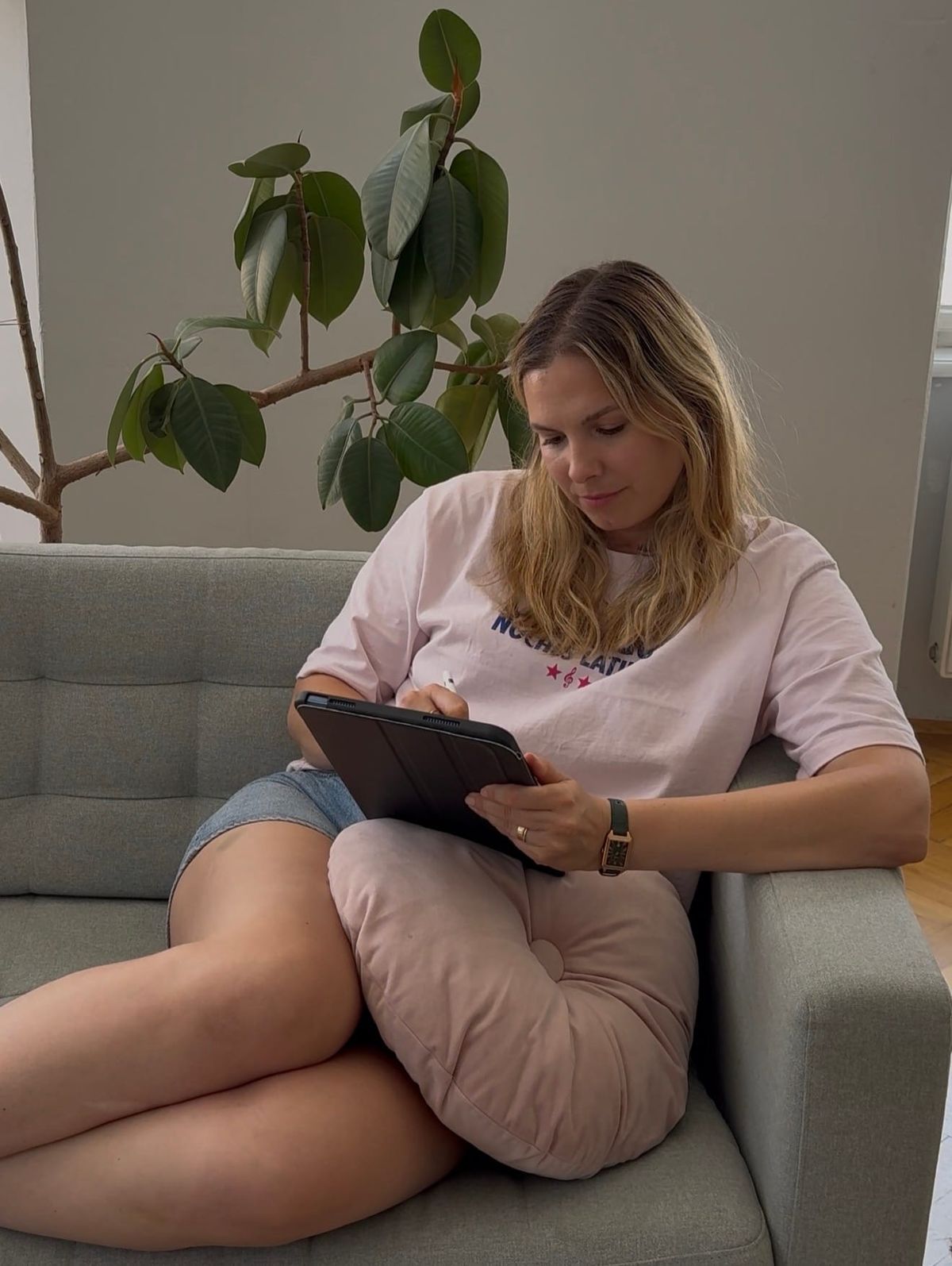
I want to make a fairly bold claim, and then spend the rest of this post backing it up: coloring works for everyone.
Not just for kids. Not just for "creative types." Not just for people with steady hands or an eye for color or hours of free time. Everyone. And I say this as someone who spent most of her adult life confident she wasn't part of that everyone.
The story we tell ourselves
Most adults who don't color have a version of the same internal monologue. I'm not the artistic type. I can't draw a straight line. I'd be bad at it. Coloring is for kids, or for people who are already creative. If someone suggested to color or draw, I would usually just reply that I will stick to what I know I am good at - words. So I automatically disqualified myself and felt relieved about it.
For a short time, that is. When you have children, you have to spend time together and the easiest and most common activity included colored pencils - in the early days I could pass by with just scribbles, but after a while I had to keep up with my (then) 6 year old. Tough times.
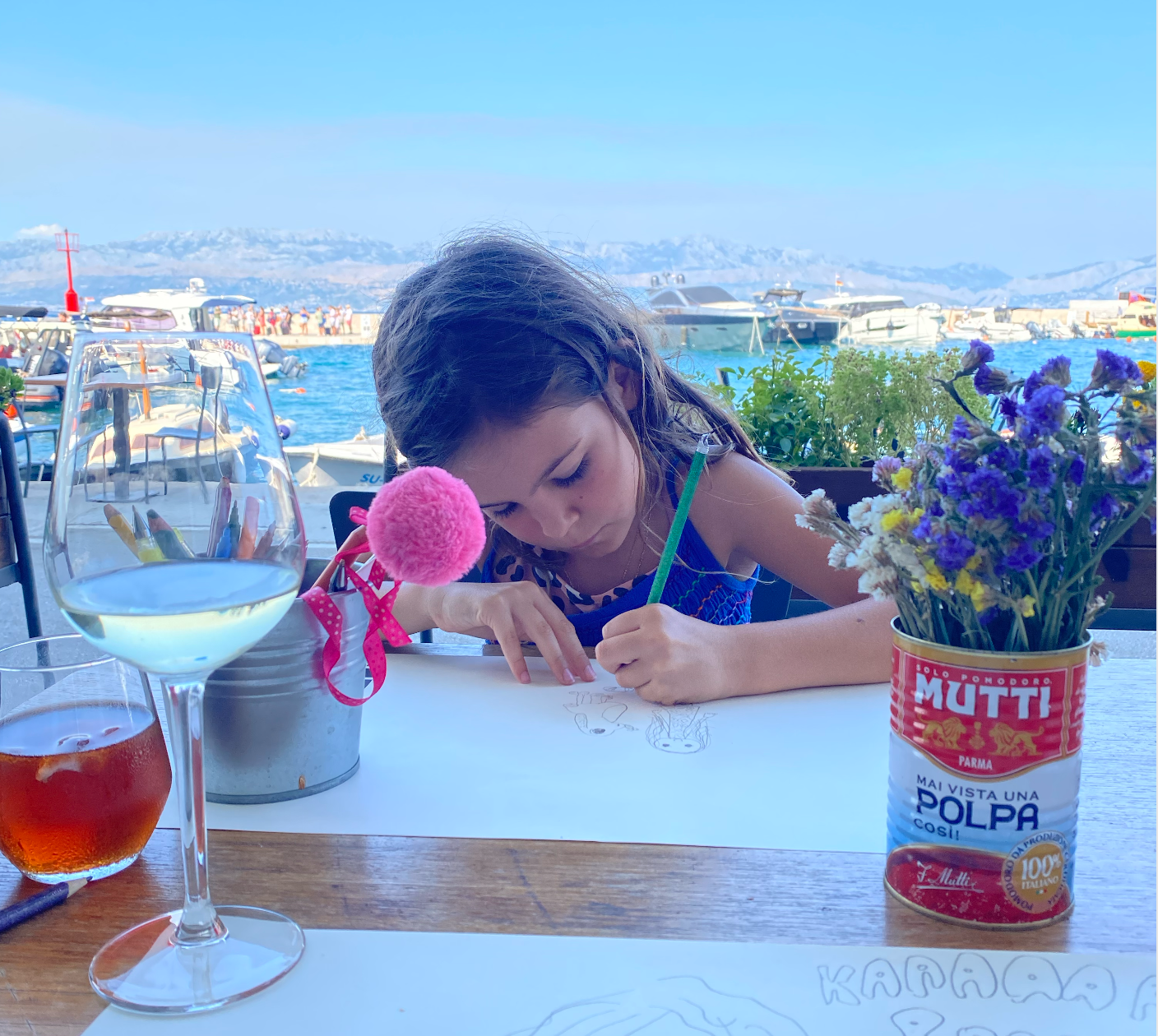
As my daughter grew into a teenager we no longer turned to coloring for bonding and instead we now have strawberry matcha dates. So my coloring game was stuck at the level of a 6 year old. And I found myself still telling everyone, I am nowhere near creative and please do not hand me colored pencils for the love of god. Turns out, I was wrong.
Why coloring is actually for everyone
Coloring is one of the very first creative acts most of us learn. We do it in kindergarten before we can write our own names. It's part of being a person. Like riding a bike, you don't really forget how to do it.
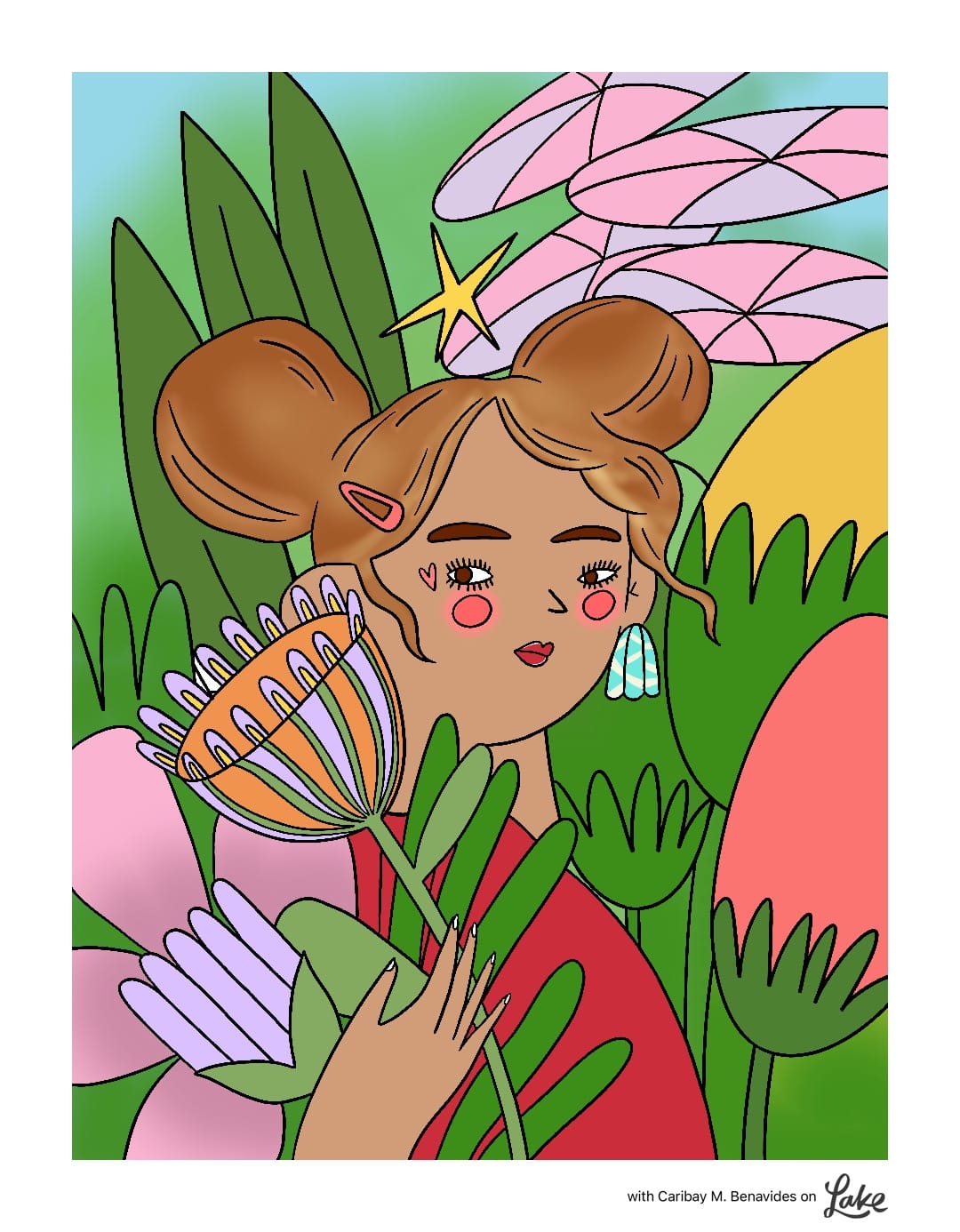
But here's the more important point. Coloring doesn't ask you to invent anything. The illustration is already drawn by an artist who spent weeks getting the linework right. Your only job is to bring it to life. You pick the palette. You decide where the light falls. You choose what color the sky should be and heck, if you feel the sun should be green - by all means!
That's a creative act with all the satisfying parts and none of the intimidating ones. You're not starting from a blank page. You're not being judged on your color choices, whether you're using the 'right' brush or not. You're not even committing to anything permanent - in a digital coloring app like Lake, you can undo anything that you don't like.
This is why coloring is the only creative practice I'd genuinely recommend to anyone, regardless of skill level, regardless of whether they call themselves artistic. The barrier to entry is essentially zero, and the payoff is real. Wish I knew this earlier!
I was the skeptic, for the record
I should be clear that I didn't arrive at this conviction through theory. I arrived at it through being slowly, gently, undeniably proven wrong.
When I started working at Lake - a coloring app where my coworkers are, frankly, pros - I was certain I'd be the exception. The person who tried it and confirmed she just wasn't built for this kind of thing. My first attempts were, generously, basic. I'd do the good old 'tap to fill' each section of the coloring page. When I tried the brushes I was just lost and everything ended up looking like a Jackson Pollock drawing except it was not. Needless to say, I was mildly terrified to show anyone my pages.
Here's the thing nobody tells you about being a beginner: the fear of judgement is almost always louder than the actual judgement. Nobody at Lake ever made me feel like my coloring wasn't good enough. They were just colorists who'd been at it longer. The same way I'd been writing longer than someone just starting out.
Eventually I stopped flinching when I shared my pages. And once that went, the rest got easy.
What changed once I actually let myself try
I spend most of my workday in front of a screen. Words, edits, social posts, more words. By the time I close my laptop, the last thing I want is more screen but then I also don't want to doomscroll my evening away, which is what happens by default if I don't have something else to reach for.
So I pick up the iPad and I color.
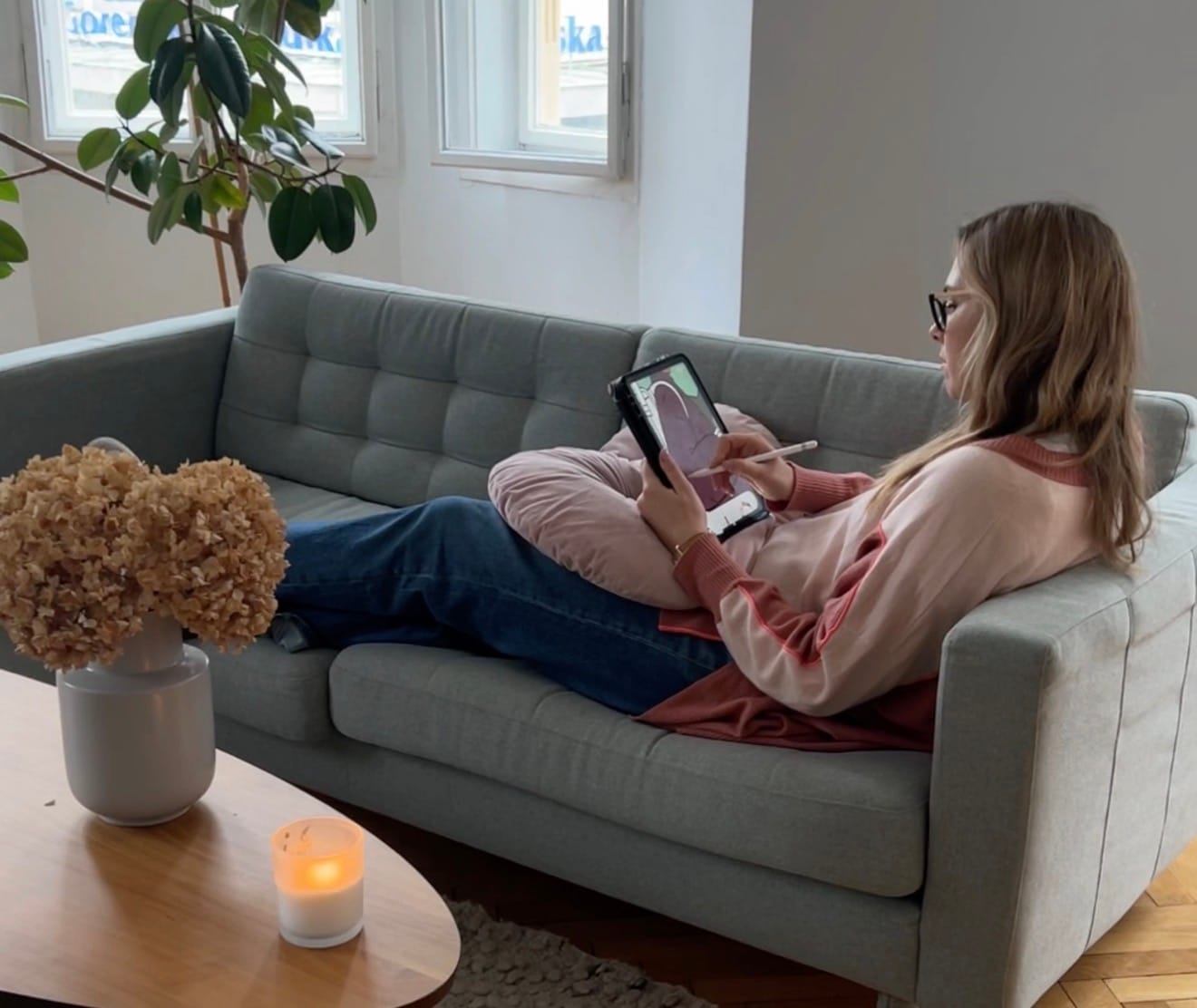
That's it. That's the whole practice. I'm not trying to be impressive. I'm not making art for anyone. I'm just letting my hands do something quiet for twenty minutes while my brain stops cycling through whatever it was cycling through. Digital coloring on an iPad has turned out to be exactly the right format for me - I can't stand the mess of brushes and wet newspaper on the kitchen table and in Lake I can color with a watercolor brush and keep it clean and dry.
And - this is the part you won't believe- I've gotten better at it. Not because I set out to. Just because I kept doing it.
The tutorials genuinely changed my coloring
Like I've mentioned earlier for the longest time, my entire technique was: tap to fill. I'd open a page, tap each section with whatever color felt right, and that was the coloring.
Lately we've added a bunch of tutorials and quick tips inside the app, and I started watching them, learning from the artists themselves and I genuinely get it now. Shading. Highlights. How light falls on a leaf.
This is the part of "coloring is for everyone" that doesn't get talked about enough: you can stay a "flat-color tapper" forever and still get the benefit, and you can learn a few small techniques and watch your pages transform. Both are valid entry points. Neither requires you to be naturally gifted at anything. Skill is just compounded curiosity. Coloring is no different.
What it does for your head
I want to be careful not to oversell this. Coloring won't fix your life. It's not therapy (although sometimes it feels like it). But on the days when your brain feels like a browser with forty tabs open, sitting down with a page genuinely helps. Shoulders drop. The voice inside your head quiets down. The hour you would have lost to Instagram becomes an hour you actually spent doing something.
This isn't just my experience. Coloring has been studied as a stress relief and anxiety reduction practice for years - particularly with structured designs like mandalas or detailed illustrations - and the research keeps backing up what people who color already know. It's a form of active mindfulness. Your hands stay busy, your visual attention narrows, and the anxious part of your brain quietly takes a seat.
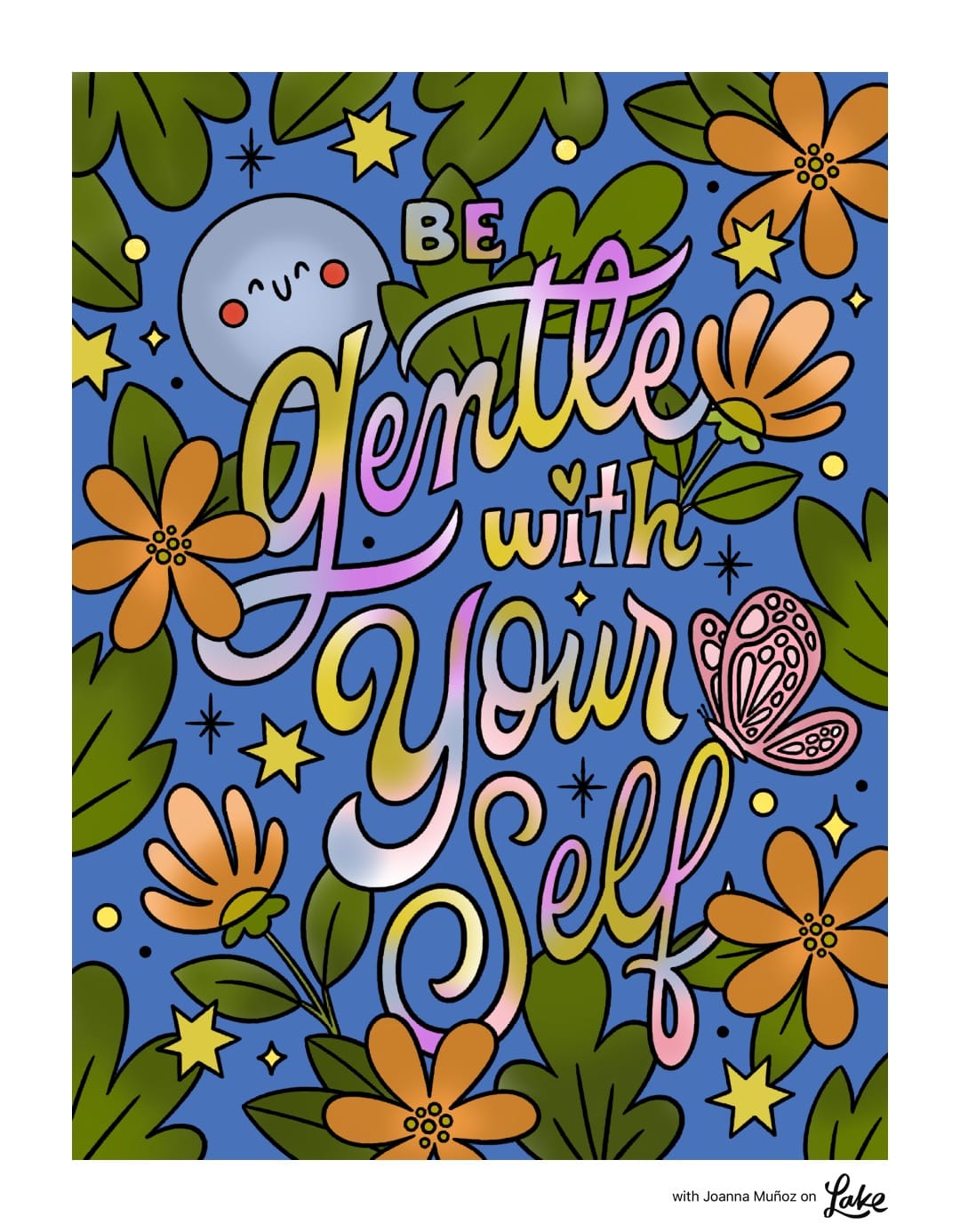
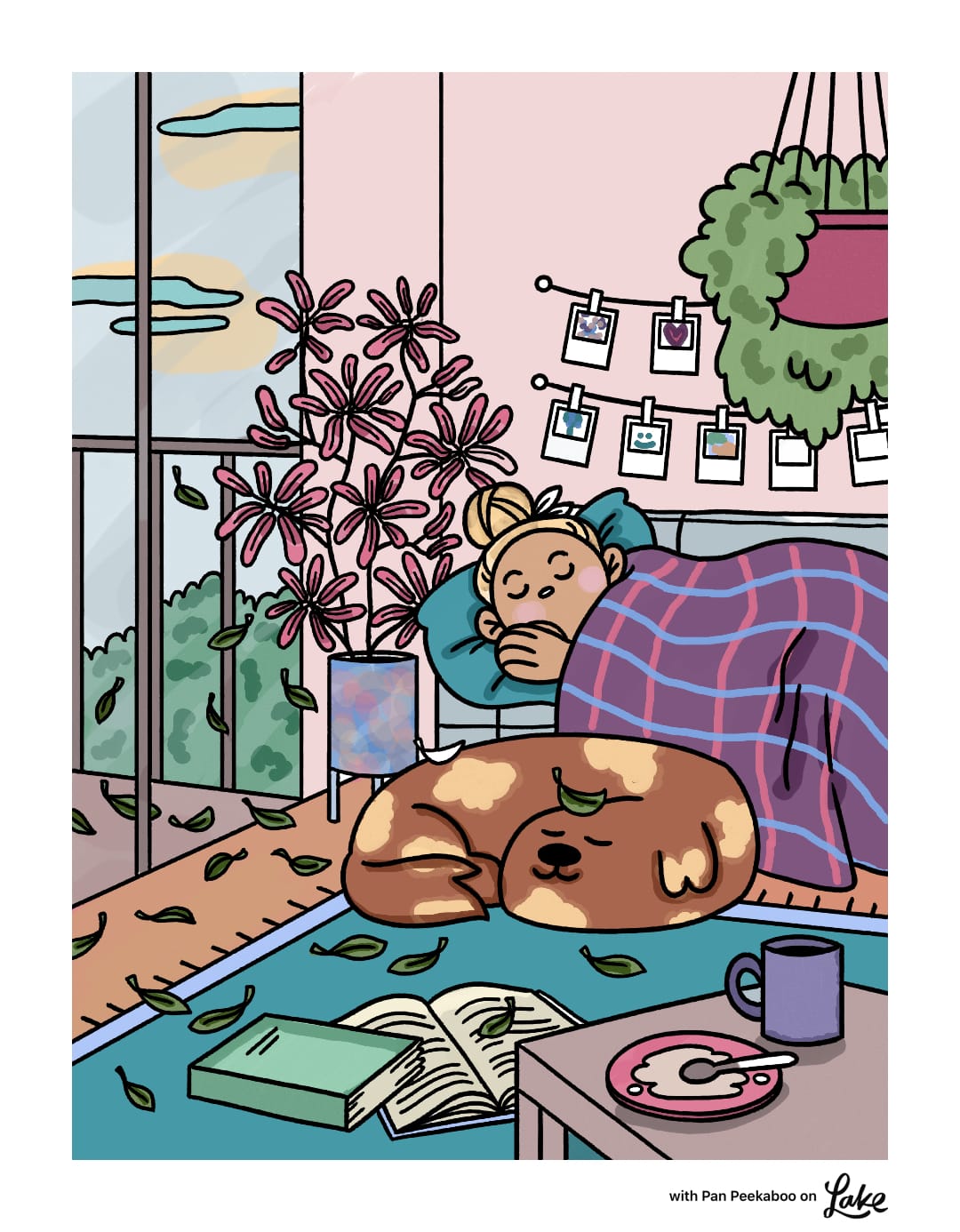
I think a lot of mental health, at least the day-to-day kind, comes down to having small reliable things to reach for. Things that ask nothing of you and give a little something back. Coloring is one of them. It works whether you're "creative" or not, whether you're having a good week or a hard one. And even if you end up not liking what you colored - what matters is you felt good doing it.
So, anyone - really?
Yes. Anyone.
If you've been quietly telling yourself for years that coloring isn't for you, I want to gently suggest that the story might be older than you are, and narrower than it has to be. You don't need to be visually creative. You don't need to be artistic. You don't need steady hands or a good eye or any particular skill at all. You just need to pick a coloring page and take ten minutes.
The artist behind the drawing already did the heavy lifting. You just have to color it and bring it to life. If I can do it, so can you!
Lake is a digital coloring app for iPhone and iPad, with over 2,000 hand-drawn illustrations by independent artists from around the world. It's free to try, and the subscription supports the artists directly. I work here, so of course I'm going to say that. But I also color outside of work - which, given where I started, is the only honest review I can give.